In the lush green hills of Nyamira County, tea plantations and fertile farms paint a picture of prosperity. But beneath the beauty lies a growing crisis that continues to steal childhoods and interrupt the dreams of adolescent girls.
There are a number of factors driving teenage pregnancy in the region, forcing girls into motherhood before they are emotionally, physically and financially prepared.

They include poverty, period poverty, peer pressure, incest, limited opportunities and relationships between adolescent girls and older men.
Just five kilometres from Nyamira Town lies Manga Centre, an area recording a high number of teenage pregnancies.
For 15-year-old Sheila Kwamboka, pregnancy brought rejection, stigma and a sudden end to her life as a Form 2 student.
The father of her unborn child, a fellow student, denied responsibility.
“The whispers began almost immediately. Many mothers told their daughters not to walk with me. I felt like everyone had turned against me,” she recalls.
At home, the pregnancy deepened family tensions, with her father blaming her mother for failing to guide their daughter.
But her mother chose compassion over condemnation.
She accompanied Sheila to Manga Dispensary for her first antenatal visit, where health workers confirmed she was already four months pregnant.
“That is when reality hit me so hard. There was nothing we could change. I had to accept the situation and stand by my daughter,” she says.
For the next five months, she ensured Sheila attended her antenatal appointments, received nutritional supplements and followed medical advice.
“Blaming her would not change anything. My responsibility was to make sure she had a safe pregnancy and delivered a healthy baby.”
Sheila eventually gave birth safely to a healthy baby boy.
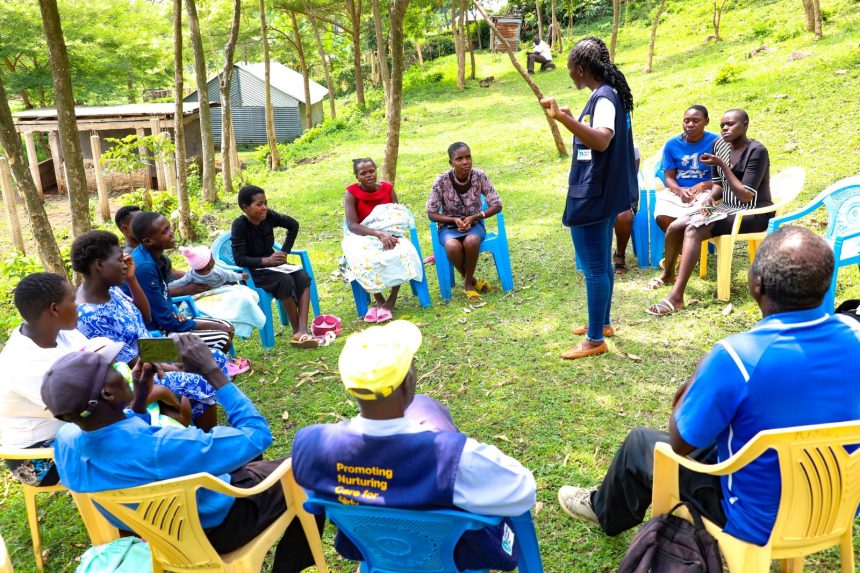
Her experience mirrors that of many young mothers in Manga Centre who meet regularly in a support group to share experiences, receive mentorship and participate in table banking.
Through savings and small loans, the girls are beginning to rebuild their economic lives.
Among them is 17-year-old Veronica Nyanjama, who gently cradles her two-year-old daughter.
Her boyfriend disappeared after learning she was pregnant. Friends encouraged her to terminate the pregnancy and return to school, but she chose to keep her baby.
Today, Veronica is pursuing a different path. She enrolled in a Technical and Vocational Education and Training institution, where she is training as a beautician.
“I want to own a successful beauty business. I want to provide for my daughter and prove that becoming a teenage mother does not mean the end of my dreams.”
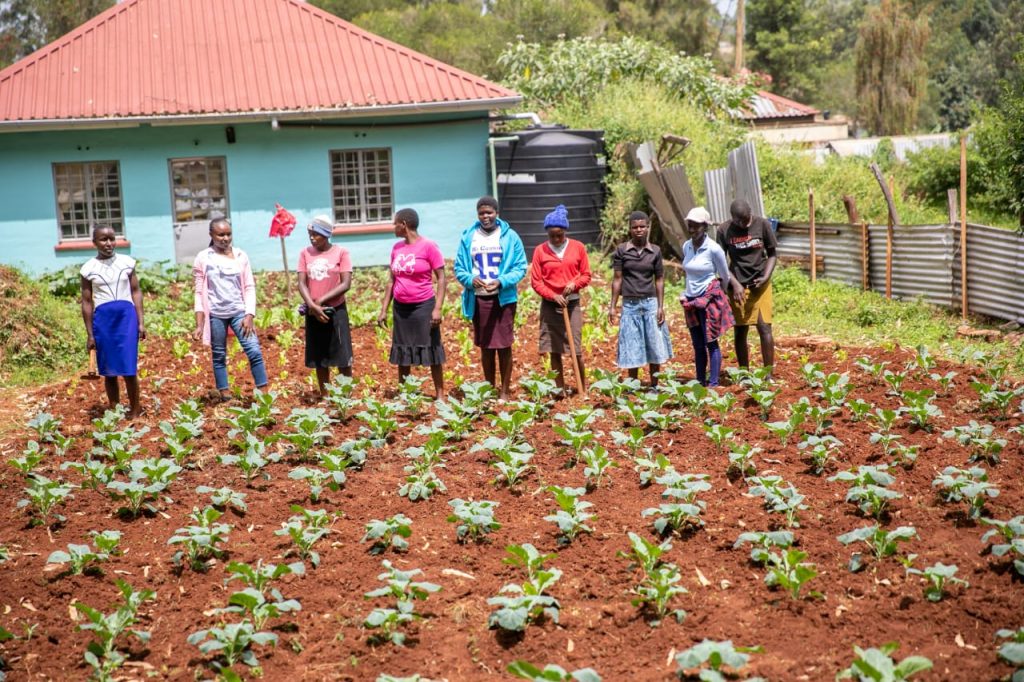
Through farming and table banking, they can afford household necessities and support their children.
“At least now I can afford to buy diapers and other essential items. I really don’t want to rely entirely on my parents. I want to provide for my child and build a better future for both of us,” Veronica says.
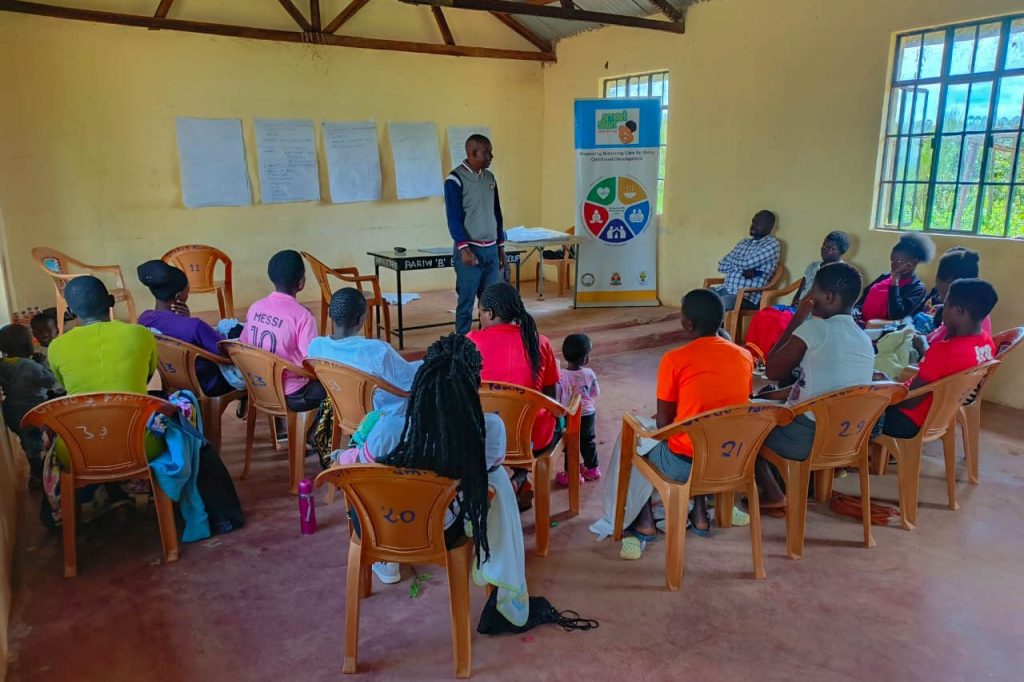
The activities form part of a broader intervention by the Kisumu Medical Education Trust, KMET, which supports vulnerable adolescent girls through psychosocial counselling, financial literacy, mentorship, livelihood support and sexual and reproductive health information.
Community Health Volunteers (CHVs) have at the same time been central in counselling the girls.
But the challenge extends beyond Nyamira.
In neighbouring Homa Bay County, 17-year-old Beryl Akinyi cradles her one-and-a-half-year-old son as she prepares porridge over a charcoal stove.
Akinyi became pregnant while still in secondary school after entering her first relationship with a married boda boda rider and father of three.
Coming from a humble background, she says the attention, gifts, clothes and new hairstyles made her feel loved and valued.
When she became pregnant, the man initially promised to support her but soon disappeared to another town and blocked communication.
“I believed he would come back because I loved him. But as the pregnancy progressed, I realised I was completely alone.”
Her return home was met with rejection. Her family was already struggling after another daughter became pregnant while in Form Three.
A CHV later counselled both mother and daughter, helping them reconcile.
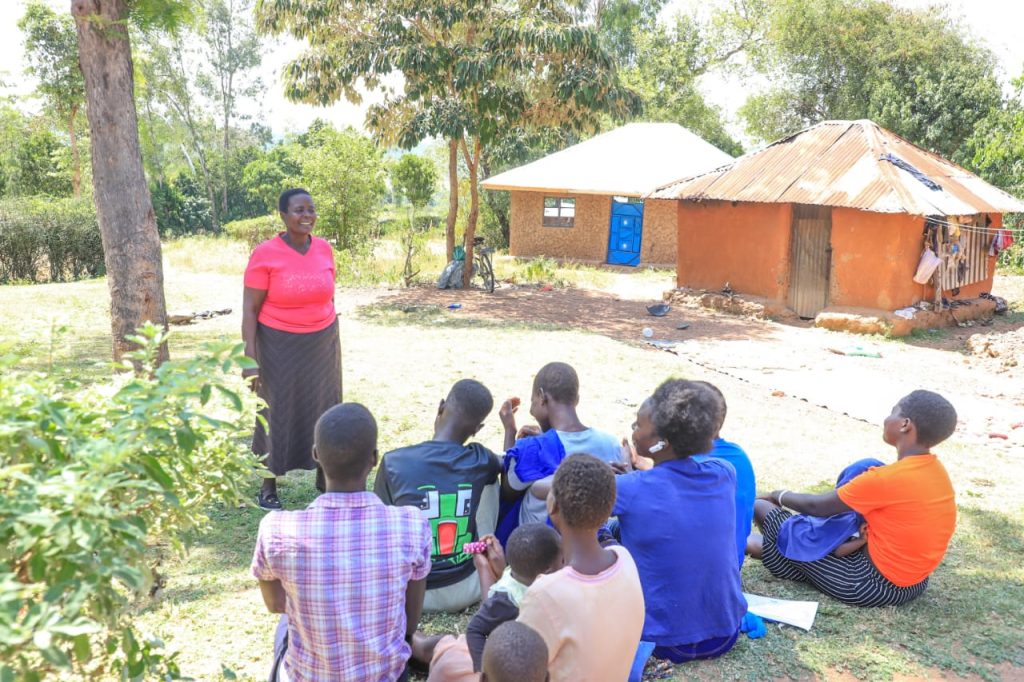
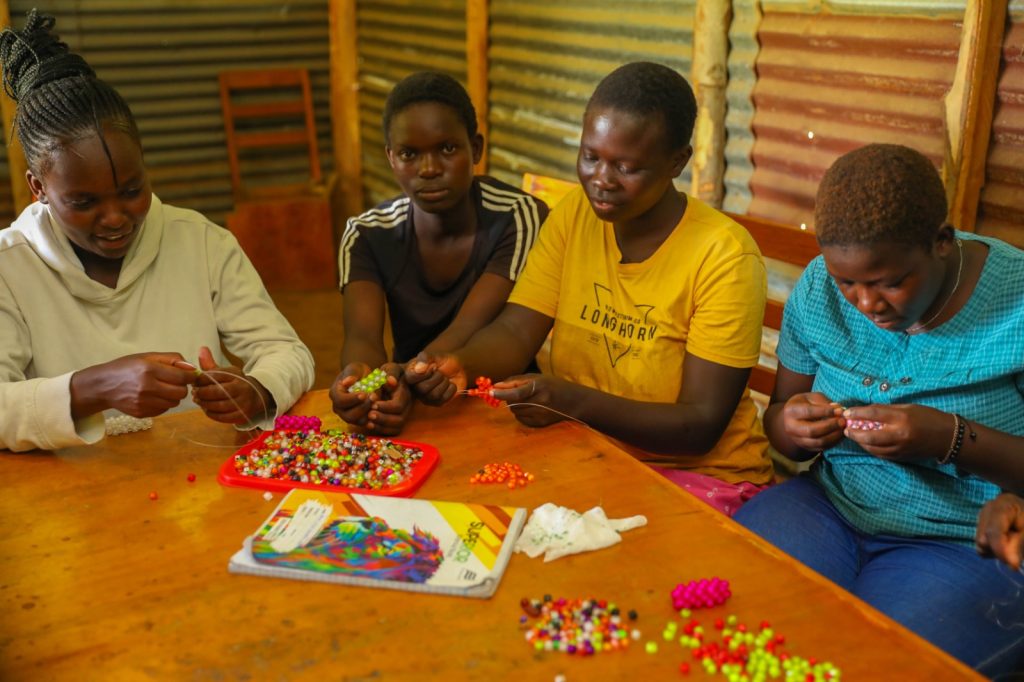
Today, Akinyi serves as treasurer of the young mothers’ support group. The girls make bangles, necklaces, headbands and handwoven mats, which they sell in Homa Bay, Kisumu and other parts of the country.
They also grow indigenous vegetables and are planning to venture into poultry farming.
One of their handcrafted products was purchased by Homa Bay Governor during the Devolution Conference, boosting their confidence in their skills.
“We decided to use our creativity to earn a living and become financially independent. I may not go back to school because I have already become an entrepreneur. I want to use the skills and resources I have gained to raise my son and give him the opportunities that I never had,” Akinyi says.
But rebuilding the lives of adolescent mothers requires more than economic empowerment.
Julie Oyoo, a sub-county nutritionist working with adolescent mothers in Homa Bay, provides guidance on maternal and child nutrition, breastfeeding, child growth and development.
She says some of the most troubling cases involve girls with intellectual disabilities who have reportedly been sexually abused by family members, highlighting the need for stronger community surveillance, protection and referral systems.
CHVs have become an important link between vulnerable girls and essential services.
“They know these communities and are able to identify vulnerable girls, follow them up at home and connect them with the services they need,” Oyoo says.
According to KMET Homa Bay Coordinator Yvone Sewe, economic empowerment must be accompanied by mental health support.
Through collaboration with Homa Bay County Referral Hospital, vulnerable girls are linked to psychologists for professional counselling.
Georgina Achieng, a psychologist working with the programme at Hope Centre, says teenage pregnancy can place a severe emotional burden on girls who are still navigating adolescence.
“These are young girls who are still trying to understand themselves, yet they are suddenly expected to deal with pregnancy, motherhood and, in some cases, rejection from their families.”
Meanwhile, a CHV says boda boda riders remain among the contributors to teenage pregnancies in Kochia, with some girls lured by money, gifts and basic necessities before being abandoned after pregnancy.
She says some families settle cases privately, allowing perpetrators to escape accountability.
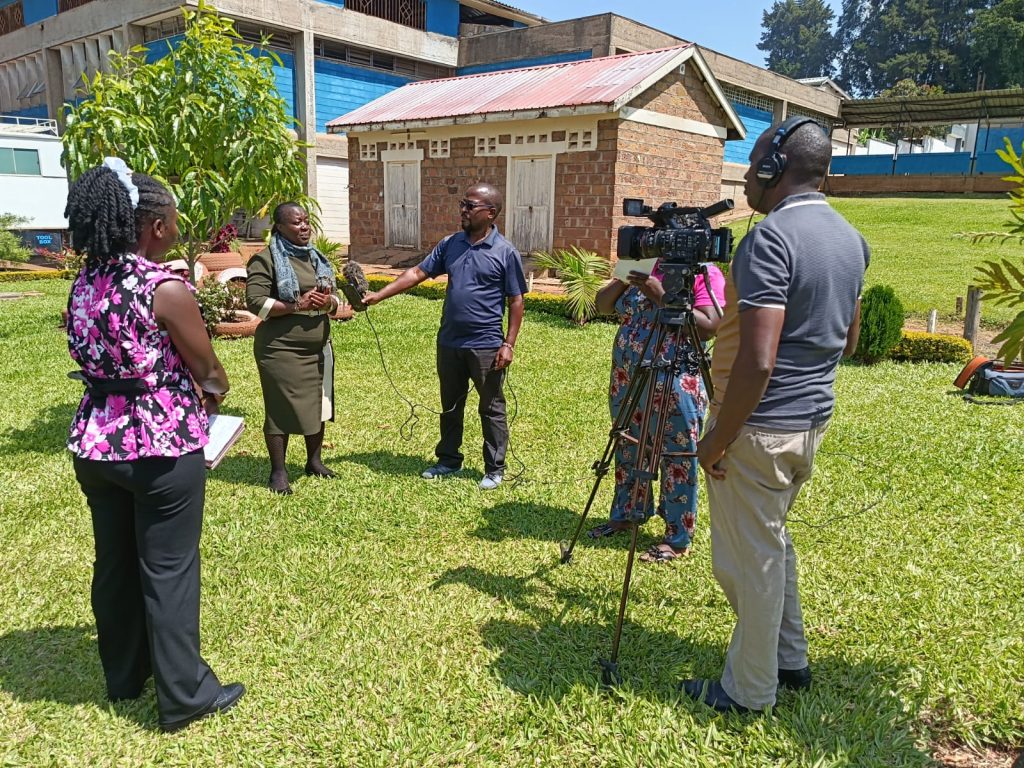
In Nyamira, County Director of Nursing Karen Ateka attributes teenage pregnancies to poverty, incest, peer influence through social media and weakened parental guidance.
She warns that many parents are leaving the responsibility of raising children to schools, churches and other institutions, while adolescents increasingly turn to social media for information about relationships and sexuality.
Health officials also report cases of teenagers seeking treatment following unsafe abortions, often driven by fear of stigma, rejection and dropping out of school.
Numbers behind the stories
Data from the Economic Survey show that 648 adolescents presented with pregnancy at their first antenatal care visit in Homa Bay in 2025, compared with 152 in Nyamira.
Homa Bay recorded 726 such presentations in 2022, 499 in 2023, 482 in 2024 and 648 in 2025.
Nyamira recorded 150 in 2022, 206 in 2023, 178 in 2024 and 152 in 2025.
Nationally, Kenya recorded about 235,938 adolescent first antenatal-care visits in 2025.
Data also show that 15 percent of Kenyan adolescent women aged 15 to 19 had ever been pregnant, down from 18 percent in 2014.
Homa Bay, however, remained above the national average, with 23.2 percent of girls aged 15 to 19 having ever been pregnant, compared with 15.5 percent in Nyamira.
The figures demonstrate that teenage pregnancy is a health issue. It is closely linked to poverty, education, menstrual health, child protection, social norms, access to reproductive health information and family support.
Reversing the trend requires stronger parental involvement, access to menstrual hygiene products, comprehensive sexuality education, youth-friendly reproductive health services, child protection and community support.
For the young mothers in Nyamira and Homa Bay, pregnancy may have interrupted their childhoods.
But with the right support, it does not have to end their dreams.