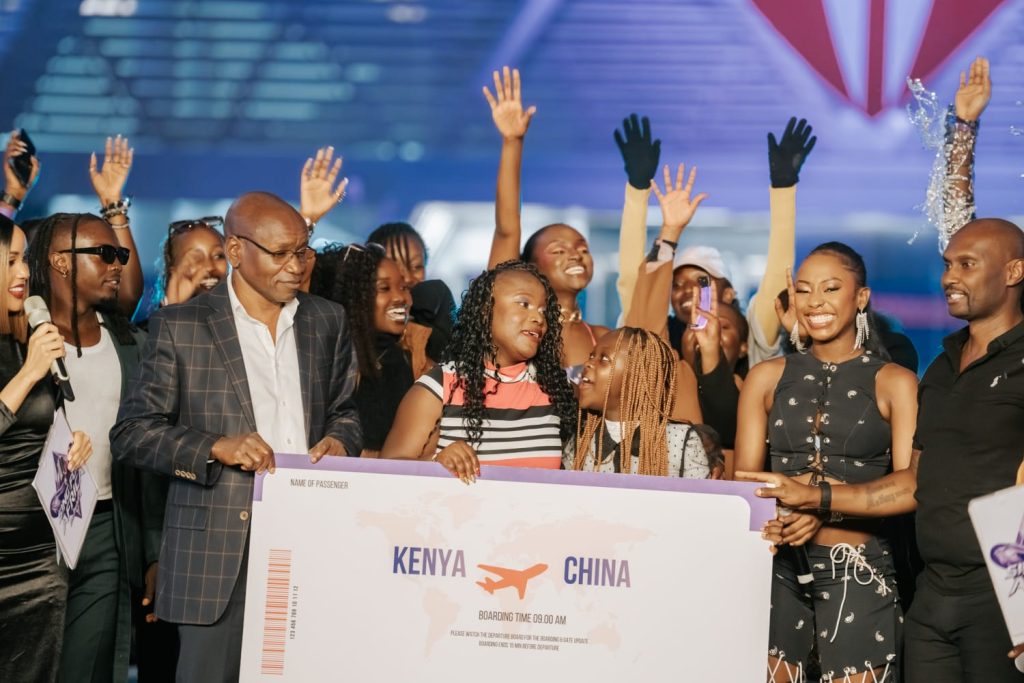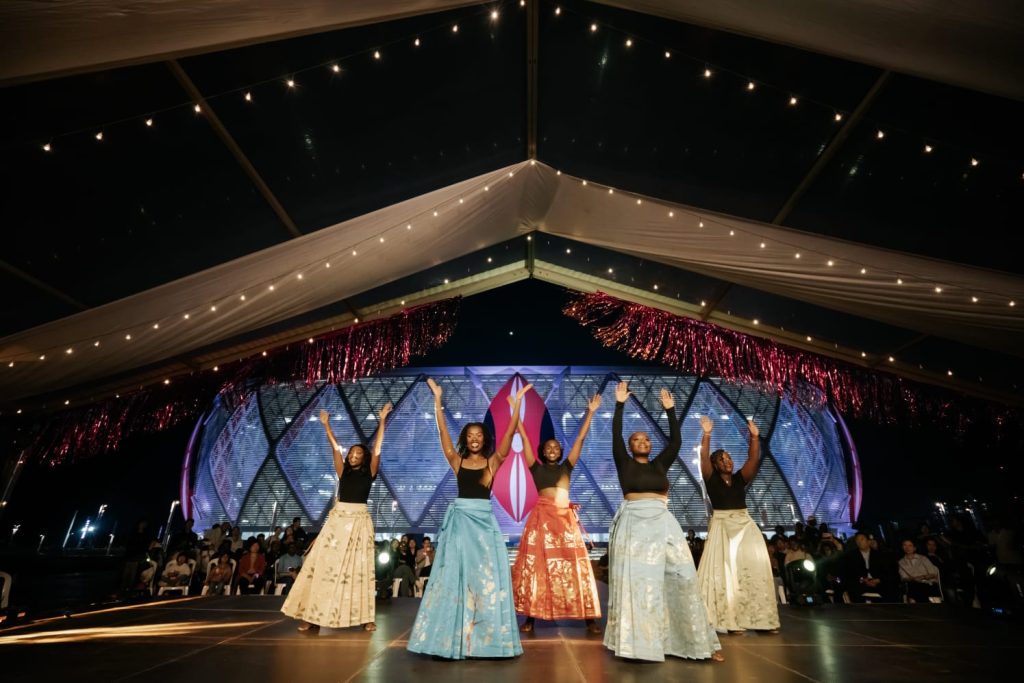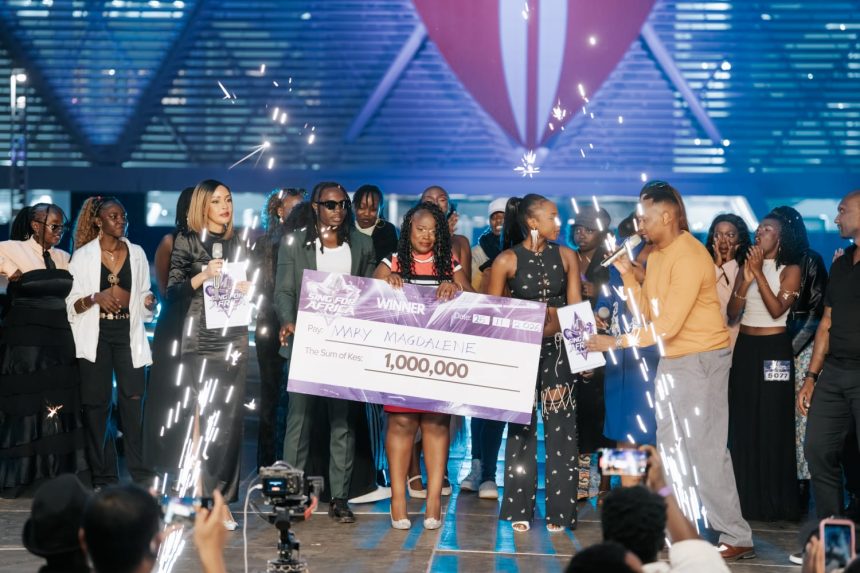
Talanta Sports City hosted the grand finale of Sing for Africa Season 2 on Wednesday night, where Mary Magdalene was crowned winner of a competition that has spotlighted young women singers and strengthened cultural links between China and Kenya.
Bringing together emerging female vocalists from Kenya and other African nations, the competition culminated in a vibrant showcase of musical talent, cultural diversity, and artistic expression. All contestants attended the finale at the modern sports complex, a testament to the partnership between Kenya and China.

Beyond identifying a winner, the competition aimed to create opportunities for aspiring musicians to develop professional careers, access international markets, and transform their creative abilities into sustainable economic ventures.
Following her victory, Magdalene encouraged fellow emerging artists to persevere, emphasizing that the competition marked a beginning, not an end, to their musical journeys.
“These are all talents, and nobody should give up. This may be the end of the road for the show, but it is the beginning of our musical journey. We must keep pushing and keep going,” she stated.
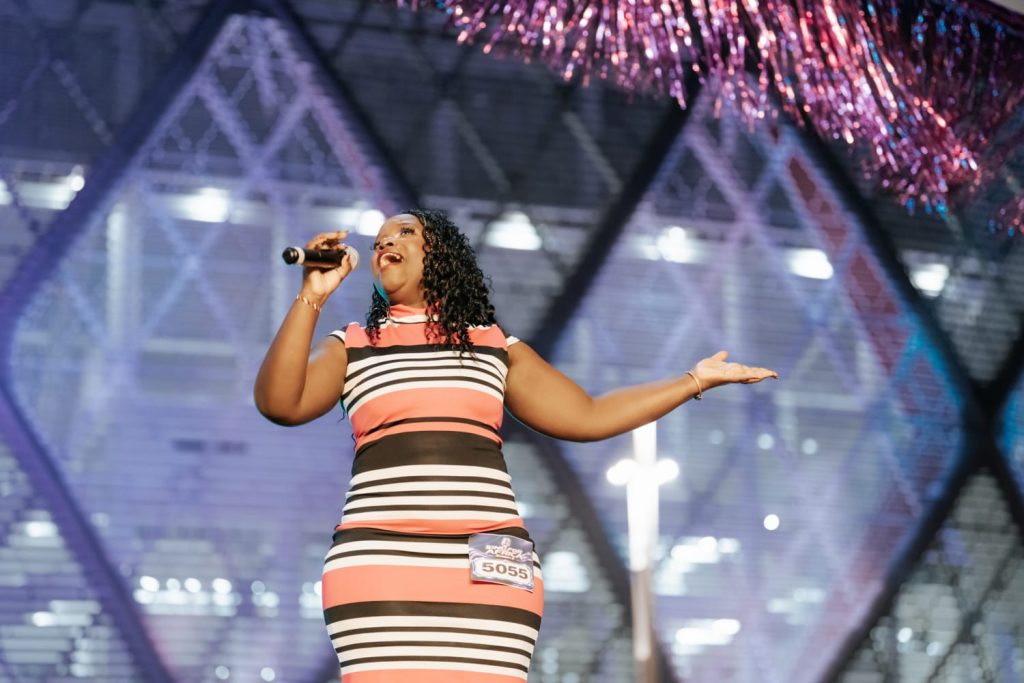
Sing for Africa was a joint initiative by Xinhua News Agency Africa Regional Bureau and Hunan TV International. Its goal was to spotlight African and Kenyan musical talent while fostering cultural exchange and people-to-people connections between China and Africa.
The second season, themed “Season of Female Voices,” was a key event marking the 2026 China-Africa Year of People-to-People Exchanges. The initiative was agreed upon by Chinese and African leaders at the 2024 Forum on China-Africa Cooperation (FOCAC) Beijing Summit.
Chinese Ambassador to Kenya Guo Haiyan highlighted how cultural engagement can complement diplomatic and economic cooperation by uniting people through shared artistic experiences.
She noted that the competition provided a platform for women from Kenya, Uganda, Nigeria, Malawi, and other African countries to showcase their abilities and celebrate the continent’s cultural diversity.
“Music is a universal language that transcends borders and speaks straight to the heart. It is also a powerful bridge for dialogue and mutual learning among civilizations,” Ambassador Guo remarked.
She also pointed to the significant progress since the inaugural season, which featured male Kenyan contestants. Outstanding performers from that season were subsequently invited to China for television programs and music festivals.
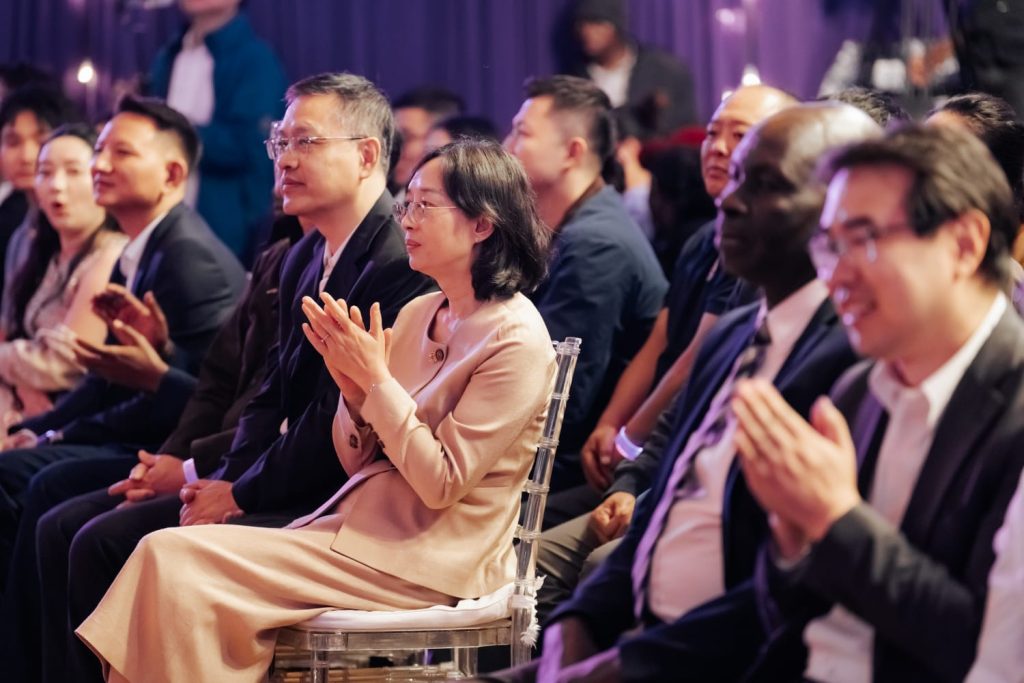
Ambassador Guo expressed hope that the second season would create similar opportunities for female musicians, encouraging contestants to visit China, experience its culture, and introduce Chinese audiences to African music.
Guo also pointed to Talanta Sports City, the venue of the finale, as an example of the expanding China-Kenya partnership, underscoring that cooperation extends beyond infrastructure to cultural engagement.
Henry Ochako, Secretary for Administration at the State Department for Youth Affairs and Creative Economy, represented the Cabinet Secretary. He stressed that talent should be recognized as an economic asset, and musicians as entrepreneurs, employers, and intellectual property owners.
He urged stakeholders to invest in professional training, production infrastructure, financing, mentorship, copyright protection, and market access to help artists commercialize their work.
“Success should not only be measured by how many participate or who wins, but also by how many artists transition into sustainable professional and commercial opportunities,” he said.
Ochako commended Xinhua and Hunan TV International for their investment in young talent, advocating for Kenya to position its music as an exportable product.
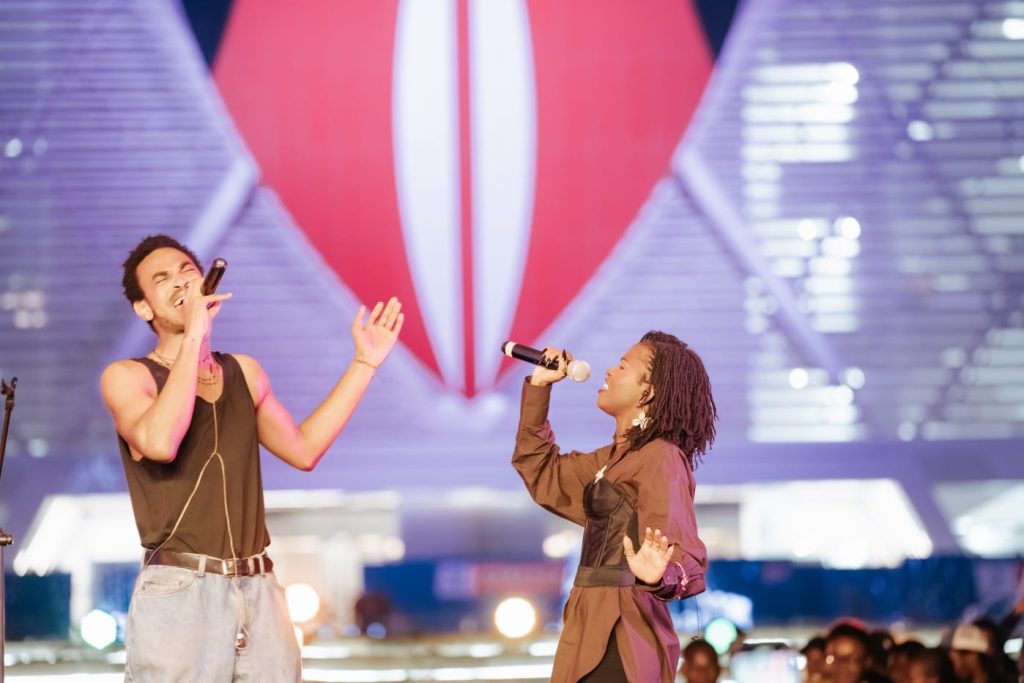
Organizers have already committed to follow-through. Officials from Hunan TV International affirmed that the competition is “not only a cultural exchange event” and that talents will receive support to enter the industry and the Chinese market after its conclusion. Notably, two male contestants from Season One have since appeared on Chinese television and at music festivals, where they promoted Kenyan culture, including Maasai attire.
Finalists described the experience as transformative. Natalie Mapemba Kiwinga, known as Queen, shared that mentoring and exchanges with fellow contestants provided new insights into her artistry. Patricia Washeke highlighted working with Chinese counterparts, who shared food, clothing, and music, as one of her most cherished experiences.