The Ministry of Health says it has surpassed global standards for contact tracing, achieving a 97 per cent success rate in tracking people who came into contact with patient zero or their relatives.
Out of the 130 contacts listed, 128 (98.5%) have been traced and are in quarantine. This is above the global contact tracing benchmark of 85% required to break the chain of transmission of the disease.

The government says intensive efforts are ongoing to trace and quarantine the two remaining contacts
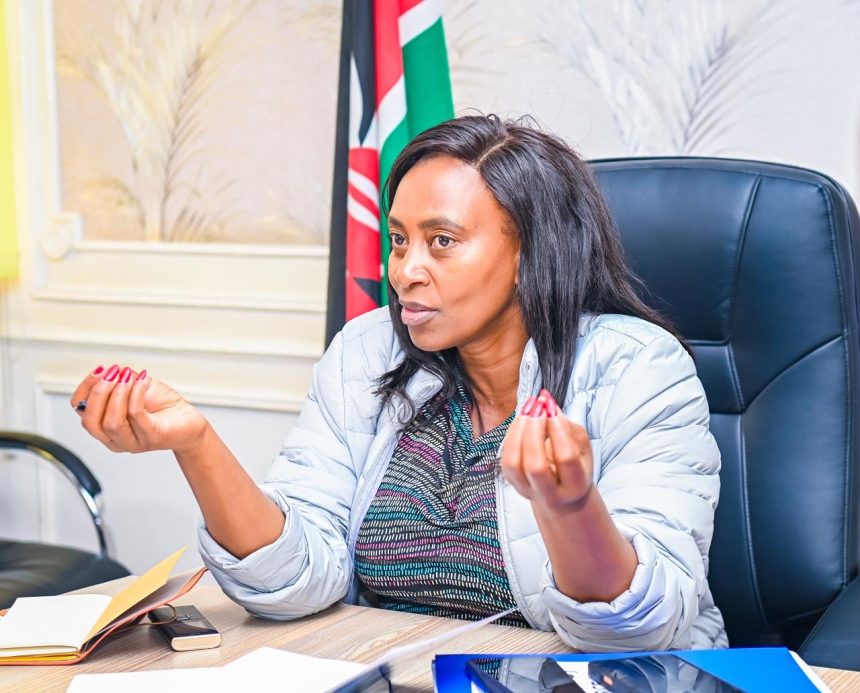
According to Public Health and Professional Standards Principal Secretary Mary Muthoni, health officials have intensified surveillance and response efforts beyond individuals in quarantine to prevent further transmission and community spread.
PS Muthoni said the ministry has also urged counties to establish quarantine facilities as a precautionary measure in case the outbreak is not contained.
She added that most of the personal protective equipment (PPE) received has been distributed to high-risk regions, particularly counties bordering Kenya’s points of entry.
As the ministry strengthens surveillance through screening and containment measures, Kenyans have been urged to observe basic hygiene practices to minimise the risk of infection.
These include regular handwashing, avoiding unprotected sexual contact with infected or suspected cases, refraining from shaking hands or kissing suspected patients, and remaining vigilant about their surroundings.
The latest advisory comes after the ministry reported four additional cases among individuals in quarantine, bringing the total number of confirmed cases to seven since the first case was reported and the patient died.
PS Muthoni has urged Kenyans to remain calm, noting that early detection and appropriate medical care are crucial in managing the disease.
Members of the public have also been urged to report suspected cases through the Ministry of Health’s hotline, 719, particularly when individuals exhibit symptoms associated with the disease.
Why contact tracing
The World Health Organization (WHO) has frequently highlighted a 95% contact tracing benchmark during Ebola outbreaks to effectively break chains of transmission within the 21-day incubation period.
Contact tracing is the process of identifying, assessing, and managing people who have been exposed to a
disease to prevent onward transmission. People who may have been exposed to EVD are systematically
followed for 21 days (the maximum incubation period for the disease) from the date of the most recent
exposure.
The process allows for the rapid identification of people who become symptomatic. Identifying
people at the onset of symptoms and promptly isolating them reduces exposure to other persons, preventing
subsequent EVD infections.
Additionally, prompt isolation and admission of the symptomatic person to a treatment facility decreases the delay to supportive treatment, which improves the likelihood of survival.
WHO further warns that even if one contact is missed, continued spread is possible and can lead to a rapid increase in the number of cases and contacts, quickly overwhelming the response.
It therefore advises that it is extremely important that contact tracing begins immediately and is managed correctly so that the EVD response will be effective.
“Contact tracing can only be effective if it is immediately implemented after case finding and efficiently managed, thus, all aspects of the response need to be addressed when preparing for, implementing, and managing contact tracing”, WHO states.
Who is considered a contact?
Any person who has been exposed to a suspected, probable, or confirmed case of EVD in at least
one of the following ways:
has slept in the same household as a case
has had direct physical contact with the case (alive or dead) during the illness
has had direct physical contact with the (deceased) case at a funeral or during burial
preparation rituals
has touched the blood or body fluids (including urine, faeces, vomit, tears, or sweat) of a case
during their illness
has touched the clothes or linens of a case
a baby who has been breastfed by the case
WHO says this should include health workers (including those involved in cleaning, waste management,
laboratory technicians, healthcare workers, etc.)